Why Old Funnels Are Losing Power - And What Modern Customers Actually Want

Why Old Funnels Are Losing Power — And What Modern Customers Actually Want
Introduction: The Funnel Is Not Dead. The Lazy Funnel Is.
For years, online marketing followed the same formula:
Lead magnet → tripwire → webinar → email sequence → sales call → offer.
And yes, this structure can still work in some cases.
But the generic version of this funnel is tired.
Very tired.
Like “same PDF checklist from 2018 wearing a new Canva cover” tired.
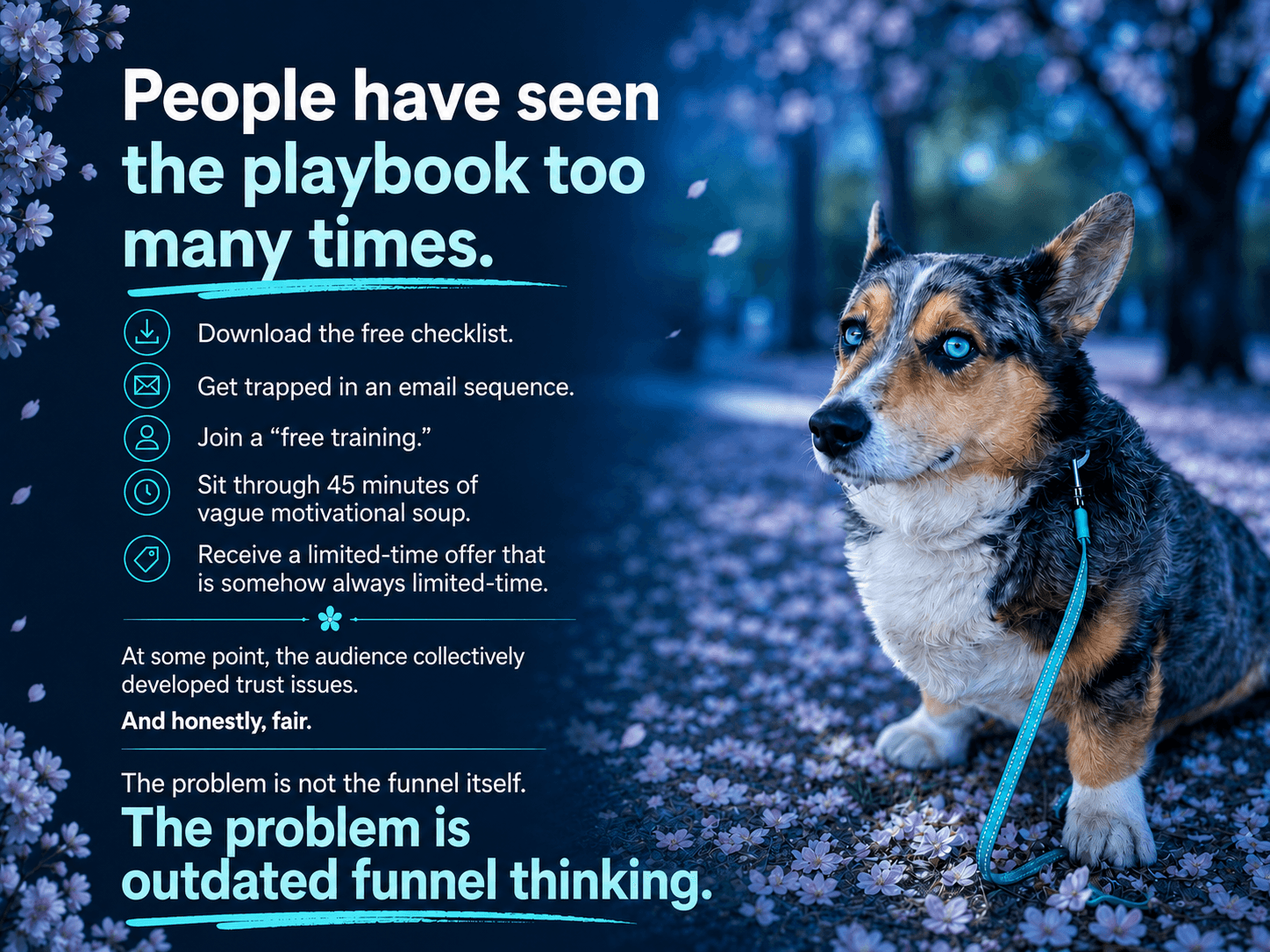
People have seen the playbook too many times.
Download the free checklist.
Get trapped in an email sequence.
Join a “free training.”
Sit through 45 minutes of vague motivational soup.
Receive a limited-time offer that is somehow always limited-time.
At some point, the audience collectively developed trust issues.
And honestly, fair.
The problem is not the funnel itself.
The problem is outdated funnel thinking.
Too many businesses are still trying to sell like customers have never seen a lead magnet before. But modern customers are more skeptical, more informed, and much less patient.
They want clarity.
They want value.
They want proof.
They want to know there is a real human, expert, or credible team behind the brand.
And they want to understand quickly whether your offer is relevant to them.
Why Old Funnels Used to Work
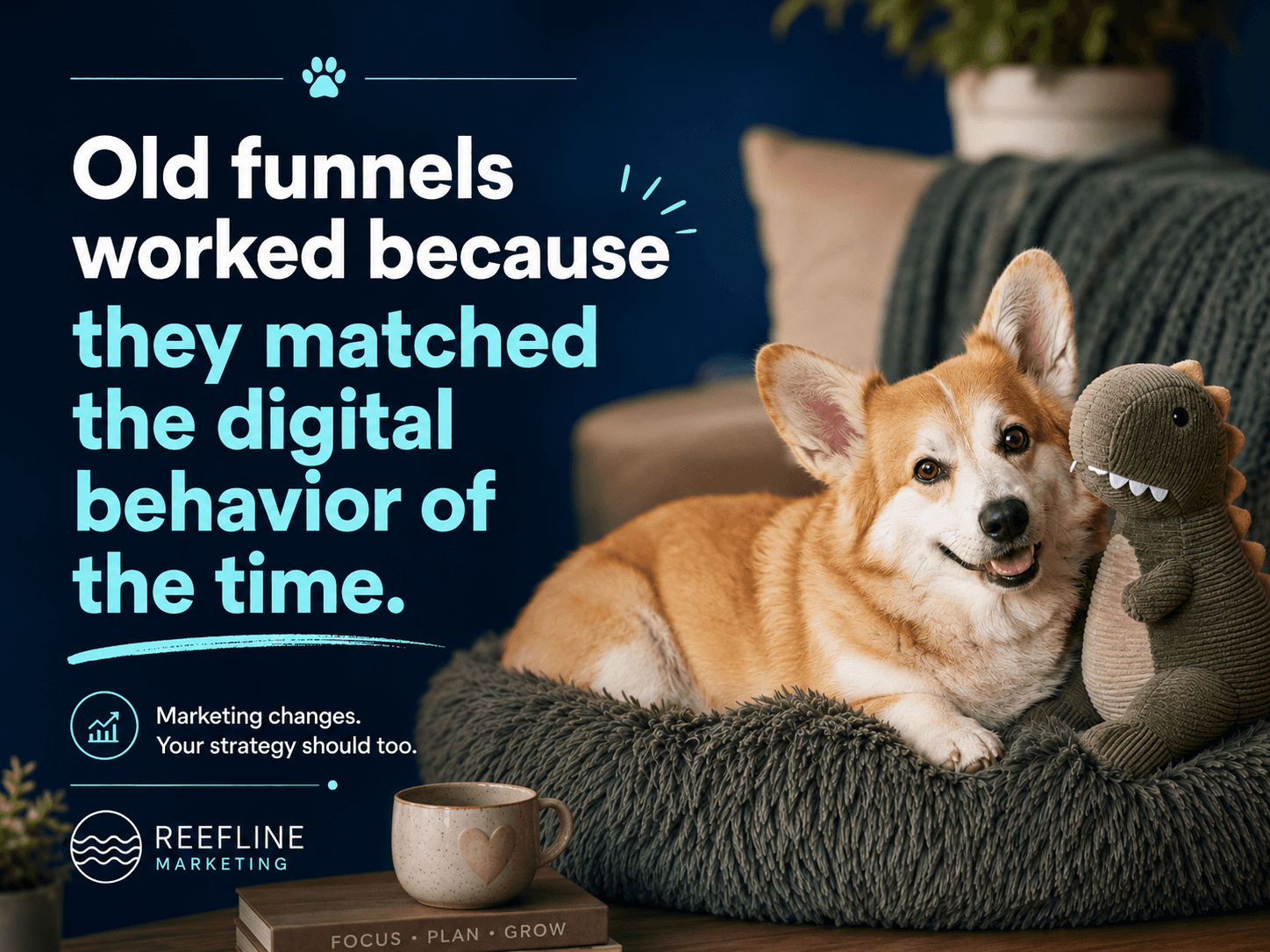
Old funnels worked because they matched the digital behavior of the time.
People were more willing to download free PDFs.
Webinars felt more novel.
Automated emails felt more personal than they actually were.
Low-cost tripwires felt like an easy first step.
But markets change.
Customer expectations change.
Trust changes.
Now people have already seen too many “free guides,” too many “masterclasses,” too many “exclusive trainings,” and too many offers that somehow expire every 48 hours forever.
So the same tactics no longer create the same response.
The customer is not the same customer anymore.
And if the customer changed, the funnel has to change too.
Why Generic Lead Magnets Do Not Work Like They Used To
There was a time when a free checklist felt exciting.
“Download this guide and transform your business.”
Cute. Nostalgic. Very early-internet optimism.
Now most people have downloaded enough free PDFs to build a small digital landfill.
The problem is not that lead magnets are dead.
They are not.
The problem is that bad lead magnets are very much alive and unfortunately still multiplying.
A weak lead magnet usually feels like this:
A vague checklist with information everyone already knows
A “guide” that says a lot but explains nothing
A PDF created just to collect emails
A resource that gives no real answer and immediately pushes the paid offer
Something so generic it could have been written for literally anyone with Wi-Fi
And people can tell.
They know when “free value” is actually just bait wearing business casual.
A strong lead magnet still works, but it has to be genuinely useful.
It should help someone solve a small problem, understand a topic, make a better decision, or see your expertise in action.
The standard should be:
“If this is what they give for free, the paid offer is probably worth paying attention to.”
Not:
“Thank you for this recycled PDF from the content graveyard.”
Why Trust in Online Offers Has Dropped
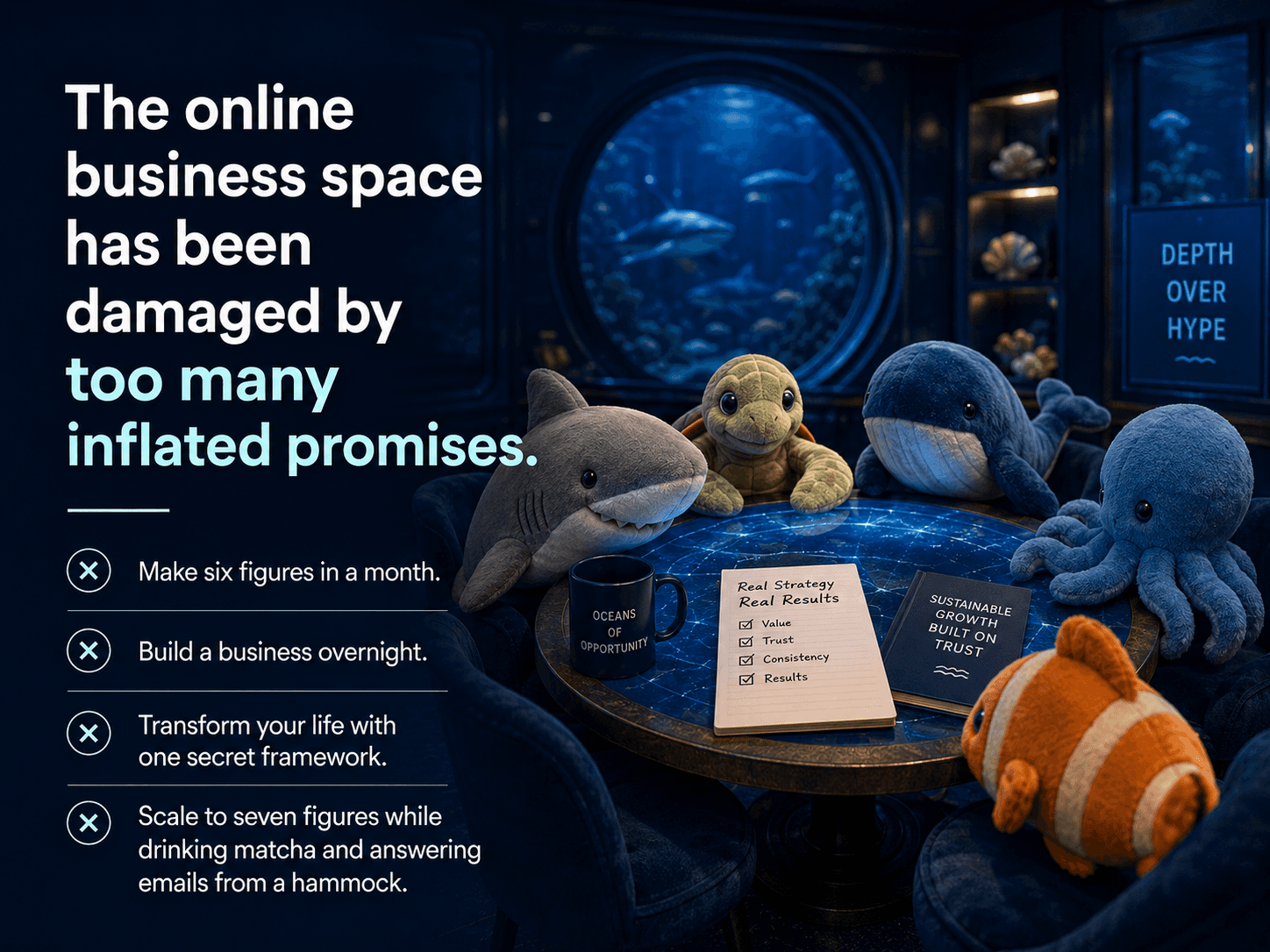
The online business space has been damaged by too many inflated promises.
Make six figures in a month.
Build a business overnight.
Transform your life with one secret framework.
Scale to seven figures while drinking matcha and answering emails from a hammock.
Please.
People have heard enough.
Now customers are asking better questions:
Is this actually useful?
Is this person credible?
Have they done the work themselves?
Is this specific to my problem?
Is there proof?
Is this real expertise or just repackaged internet advice?
That skepticism affects every step of the funnel.
If your content does not create trust, your lead magnet will not fix it.
If your lead magnet feels generic, your email sequence will not save it.
If your webinar is mostly hype, your offer will feel weaker.
Modern marketing has to build credibility before it asks for commitment.
Why Tripwires Are Harder to Sell Now
A tripwire is a low-cost offer designed to turn someone from a lead into a first-time buyer.
For example:
A $19 template
A $49 mini-course
A $199 audit
A paid workshop
A small digital product
The idea makes sense.
Give people a low-risk way to experience your value.
But here is the problem: even a low-cost offer requires trust now.
People are more careful with their money, time, and attention.
They are asking:
Do I actually need this?
Is this useful or just another teaser?
Can I find the same information for free?
Is this made for my situation?
Do I trust this person or brand enough to buy anything from them?
The issue is not the price.
The issue is perceived value.
A $20 product can feel expensive if it is vague.
A $200 product can feel reasonable if it solves a real problem.
So if you use a tripwire, it cannot be random. It cannot exist just because some marketing guru told you every funnel needs one.
It should be specific, practical, and connected to the bigger transformation your business offers.
Otherwise, it is not a tripwire.
It is just another tiny product sitting awkwardly in the corner.
Why Sales Webinars Need to Stop Being Weird
Webinars are not dead.
Bad webinars are.
A good webinar can still be extremely effective, especially for complex services, high-ticket offers, B2B products, consulting, education, healthcare-adjacent businesses, and anything that requires explanation.
But the old-style webinar?
The one where you spend 50 minutes listening to someone’s origin story, fake urgency, and “secret framework” before they finally tell you the price?
People are tired.
A webinar should not feel like emotional hostage negotiation.
It should teach something specific. It should respect the audience’s time. It should show expertise. It should help people make a better decision whether they buy from you or not.
A strong webinar should include:
A clear topic
A real problem
Useful teaching
Examples or case studies
Honest positioning
A clear offer
No unnecessary drama
The best sales content does not make people feel trapped.
It makes them feel informed.
That is a big difference.
Why Automated Funnels Feel Cold Now
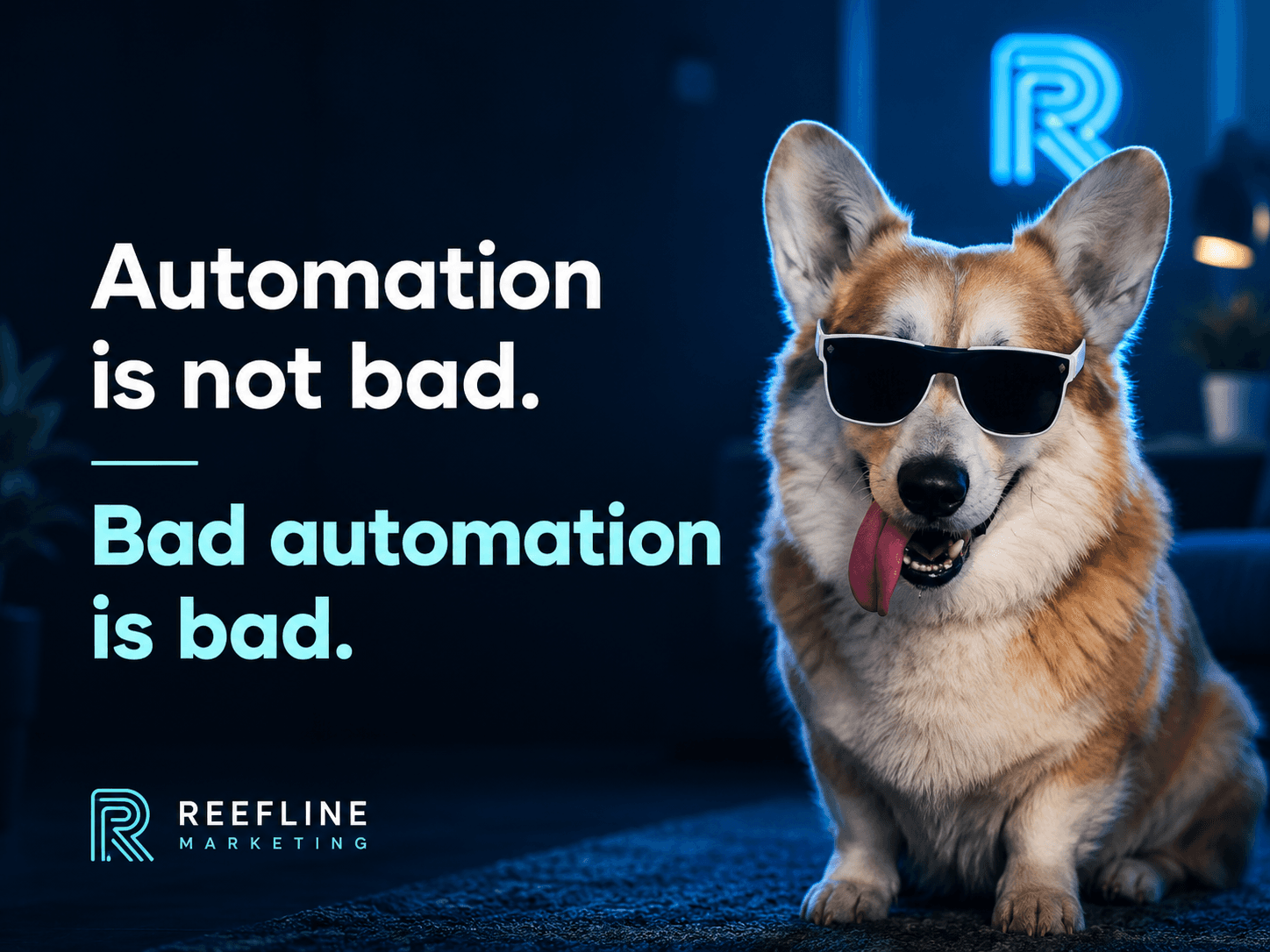
Automation is not bad.
Bad automation is bad.
There is a difference.
A thoughtful email sequence can be useful. A retargeting campaign can be effective. A CRM can help you follow up properly. A lead nurturing process can support the customer journey.
But cold, generic automation feels like a machine pretending to care.
And people can smell it.
Especially when every email sounds like:
“Hey friend, I was just thinking about you…”
No, you were not.
Your CRM was thinking about Segment B.
Modern customers want communication that feels relevant, specific, and human.
That does not mean you need to manually write every message forever. But your automation should be built around real customer needs, not just sales pressure.
Good automation supports trust.
Bad automation burns it.
Why People Want More Personal Communication
No checklist or tripwire can replace the feeling that a business understands your situation.
People want:
Clear answers
Useful examples
Relevant content
Human communication
Honest expectations
Proof that you understand their problem
A reason to trust you before they pay you
This is especially important for consultants, clinics, wellness businesses, retreat centers, coaches, agencies, creative professionals, and B2B companies.
The more personal or high-stakes the decision, the more trust matters.
Nobody wants to feel like they are being dragged through a machine.
They want to feel seen.
Very dramatic, yes.
Also true.
So, Are Funnels Dead?
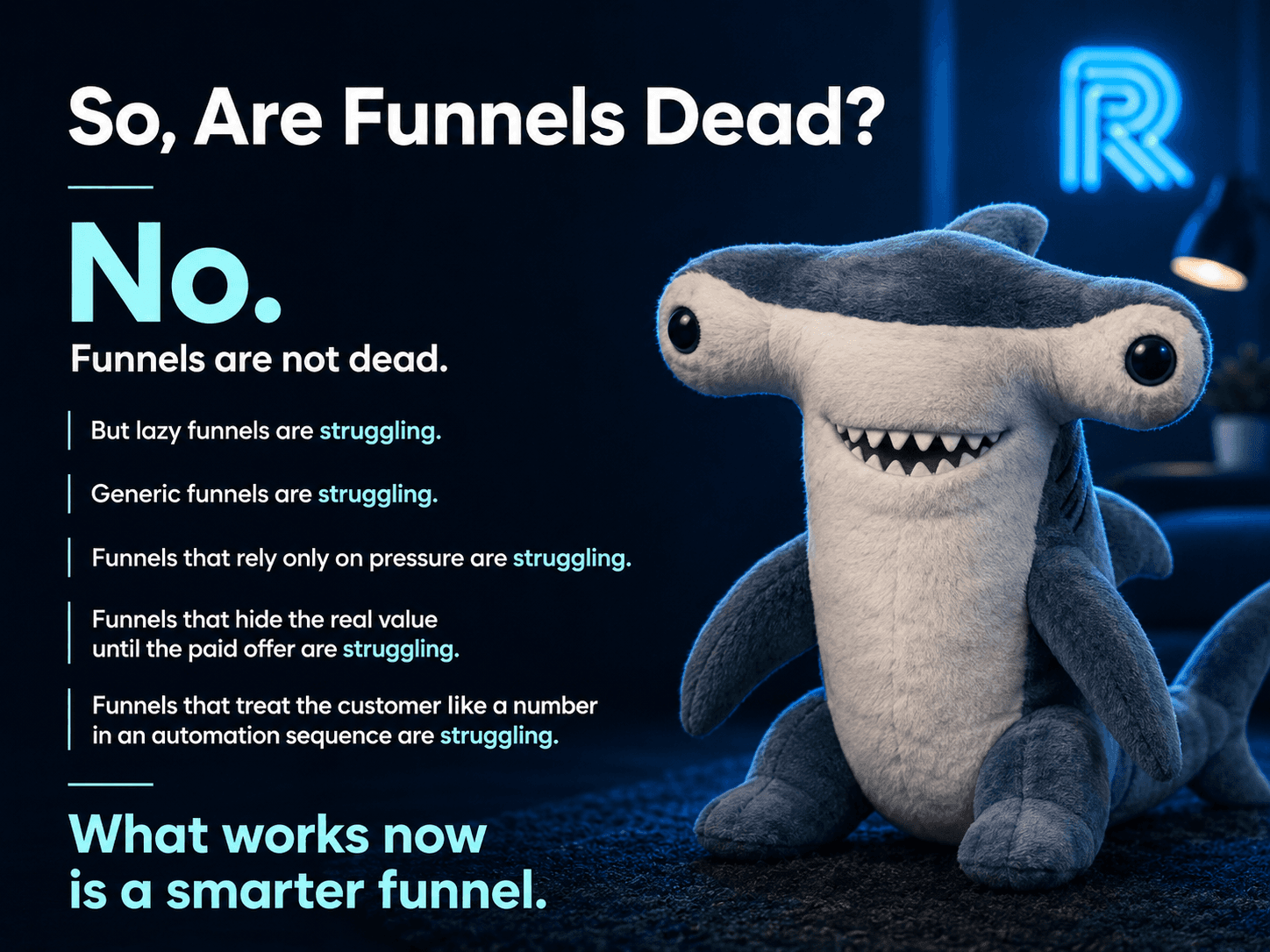
No.
Funnels are not dead.
But lazy funnels are struggling.
Generic funnels are struggling.
Funnels that rely only on pressure are struggling.
Funnels that hide the real value until the paid offer are struggling.
Funnels that treat the customer like a number in an automation sequence are struggling.
What works now is a smarter funnel.
One that is:
Shorter
Clearer
More useful
More human
More trust-based
Better connected to real customer behavior
The funnel still matters.
It just needs to stop acting like the customer has never used the internet before.
Final Thoughts: The Customer Changed. Your Funnel Should Too.
Old funnels are losing power because customers are no longer impressed by complexity.
They do not want more steps.
They do not want more vague PDFs.
They do not want more fake urgency.
They do not want a webinar that could have been a 10-minute video.
They want useful content, clear messaging, real expertise, and a simple path forward.
The businesses that adapt will win more trust.
The businesses that keep pushing recycled funnel tactics will keep wondering why people are not converting.
At Reefline Marketing, we help businesses build marketing systems that feel clear, strategic, and human - not like a dusty funnel template from the internet basement.
Because the goal is not to force people through a funnel.
The goal is to make it easier for the right people to choose you.
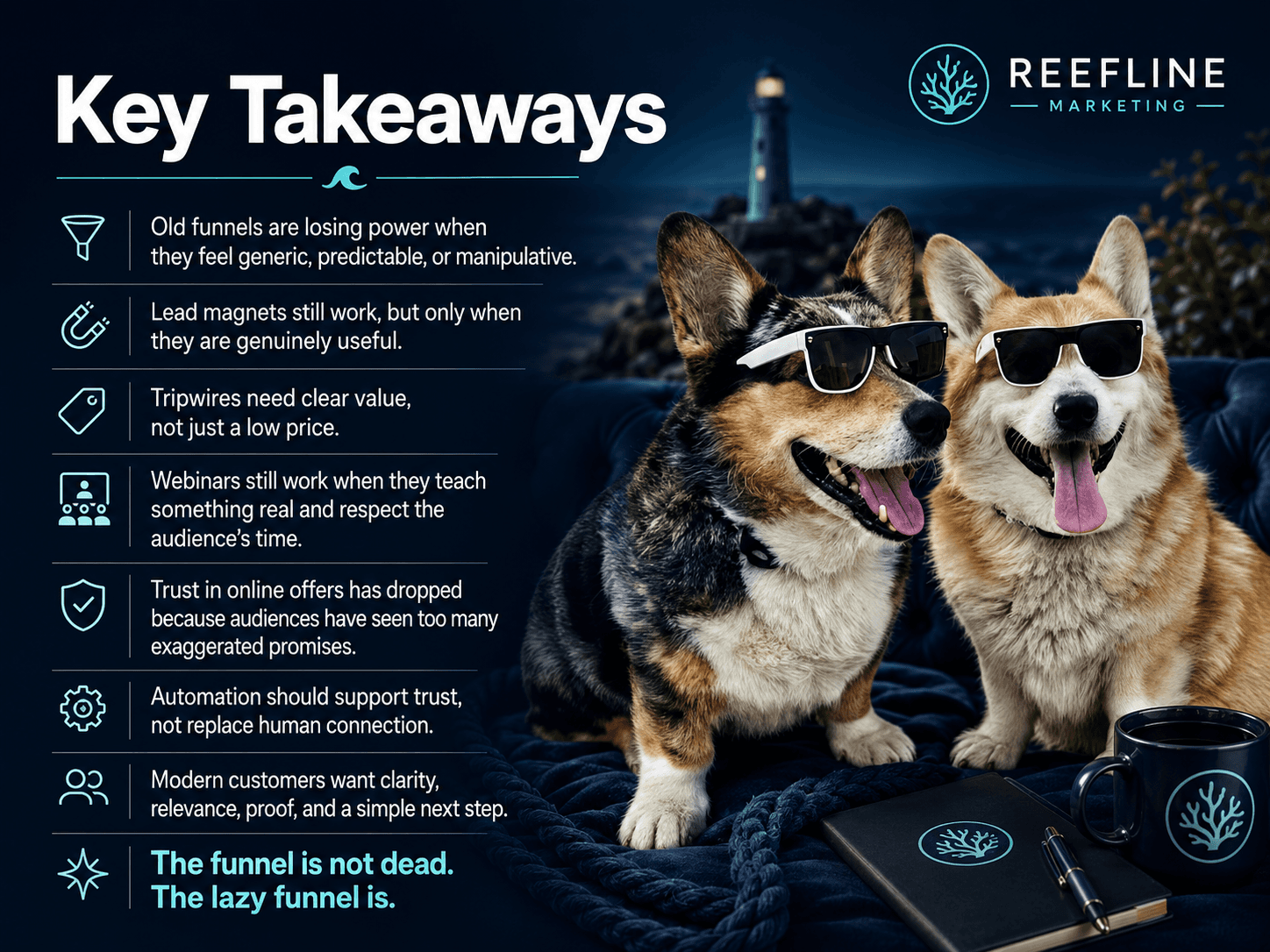
Key Takeaways
Old funnels are losing power when they feel generic, predictable, or manipulative.
Lead magnets still work, but only when they are genuinely useful.
Tripwires need clear value, not just a low price.
Webinars still work when they teach something real and respect the audience’s time.
Trust in online offers has dropped because audiences have seen too many exaggerated promises.
Automation should support trust, not replace human connection.
Modern customers want clarity, relevance, proof, and a simple next step.
The funnel is not dead. The lazy funnel is.